
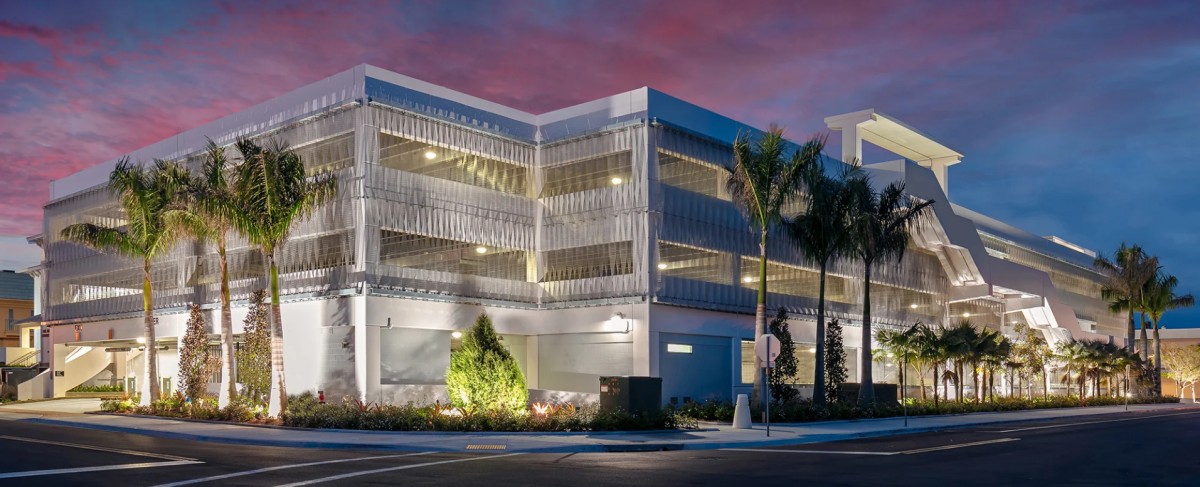
With rising population density and increasing vehicle ownership in cities worldwide, the shortage of urban parking spaces has become a serious challenge.
Traditional concrete parking garages are expensive, time-consuming, and often lack the flexibility for future expansion.
To address these challenges, many developers and urban planners are turning to steel-framed parking garages—a modern, modular, and sustainable solution designed to maximize space utilization and
reduce construction time.
1. The Growing Need for Smart Parking Solutions
Urbanization and vehicle growth are driving unprecedented demand for parking infrastructure.
Key challenges include:
Limited land availability in city centers
High construction costs
Long building timelines
Sustainability and carbon footprint concerns
Steel structure parking garages offer the perfect balance of efficiency, cost, and environmental performance — making them an ideal solution for both public and private developments.
2. What Is a Steel Structure Parking Garage?
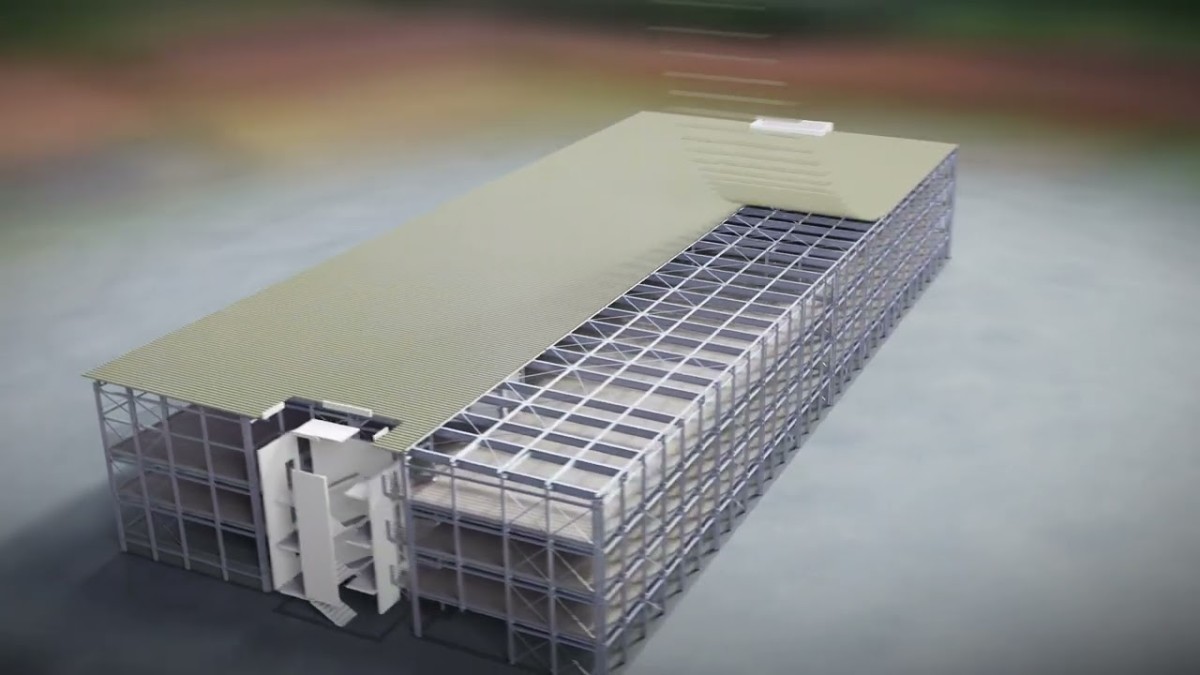
A steel structure parking garage is a prefabricated multi-level parking facility made primarily from structural steel components.
These systems can be built as:
Single-level open car parks
Multi-storey garages
Automated parking systems
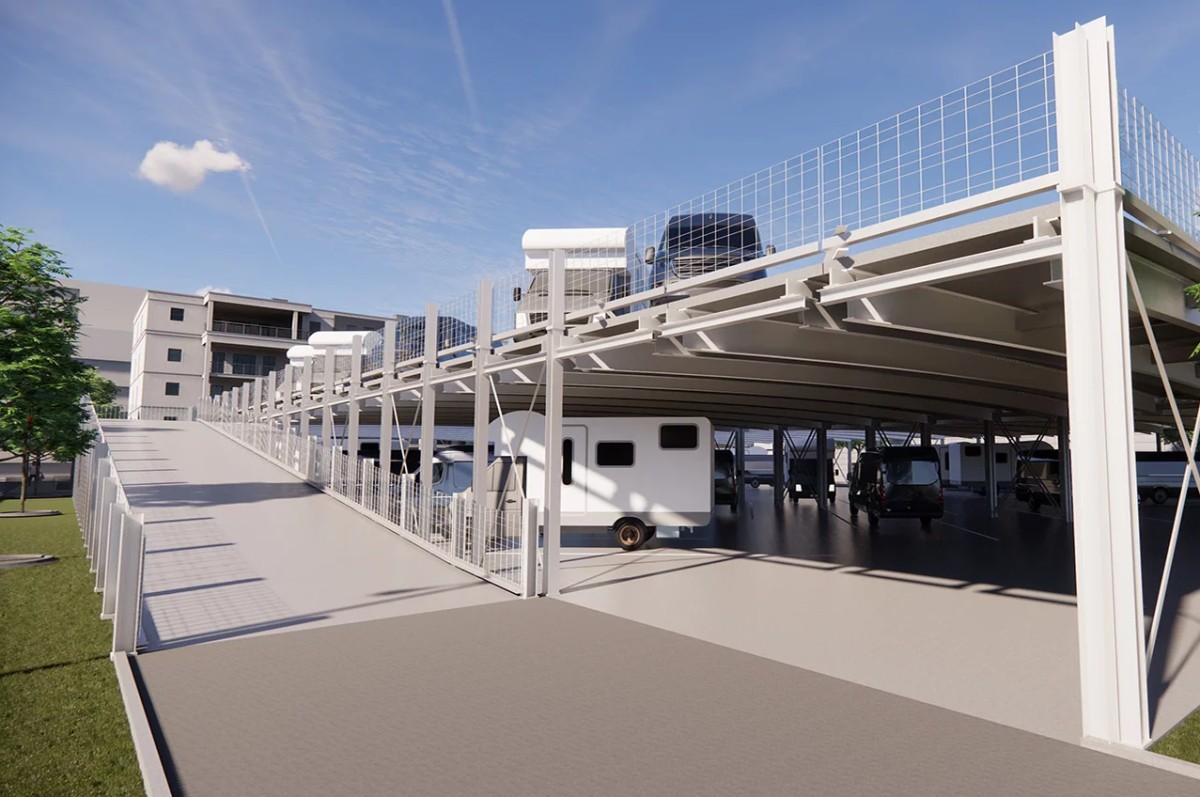
Modular or relocatable parking units
Each configuration can be tailored to meet specific capacity, location, and operational requirements — from office buildings to airports and shopping malls.3. Advantages of Steel Structure Parking Systems
a. Rapid Construction
Steel components are prefabricated in factories, allowing on-site assembly in just a few months.
Compared with concrete, steel reduces construction time by 40–60%, helping developers meet urgent parking demands.
b. Lightweight and Strong
Steel’s high strength-to-weight ratio enables longer spans and larger open spaces without interior columns — increasing the number of parking spots per floor.
c. Cost-Effective
Reduced labor, faster construction, and minimal foundation requirements make steel parking structures more economical over the long term.
d. Flexible Design
Steel systems can be expanded vertically or horizontally, or even relocated to new sites, which is ideal for temporary or evolving urban projects.
e. Environmentally Friendly
Steel is 100% recyclable, and the modular construction process minimizes waste, aligning with sustainable building goals.
4. Design Features and Components
These prefabricated systems ensure precise fit, quick assembly, and long service life.
5. Space Efficiency and Layout Design
Steel structure parking garages allow long clear spans (up to 18 meters) and open layouts that maximize vehicle capacity.
Design options include:
Flat slab systems for easy driving circulation
Split-level configurations for sloped sites
Automated stacker systems for high-density parking
Because of steel’s strength and design flexibility, these garages can accommodate 30% more cars in the same footprint compared to concrete buildings.
6. Speed and Modularity in Construction
Prefabrication is the key to efficiency.
Each steel element — beams, columns, and decks — is cut, drilled, and painted in a controlled factory environment, then shipped to the site for assembly.
This modular approach ensures:
Minimal disruption in urban zones
Shorter road closures
Reduced noise and dust pollution
Consistent quality
A typical 500-space steel parking structure can be completed in 3–4 months, compared to 8–12 months for concrete.
7. Durability and Low Maintenance
Steel parking garages are designed for decades of use with minimal upkeep.
Protective coatings and galvanization prevent corrosion, while drainage systems and ventilated façades minimize moisture buildup.
Regular inspections and simple maintenance (e.g., repainting every 10–15 years) ensure a long lifespan — typically 50 years or more.
8. Aesthetic and Architectural Integration
Steel allows creative architectural freedom — blending functionality with modern design.
Developers can choose:
Open façades for natural ventilation
Decorative panels for branding or urban identity
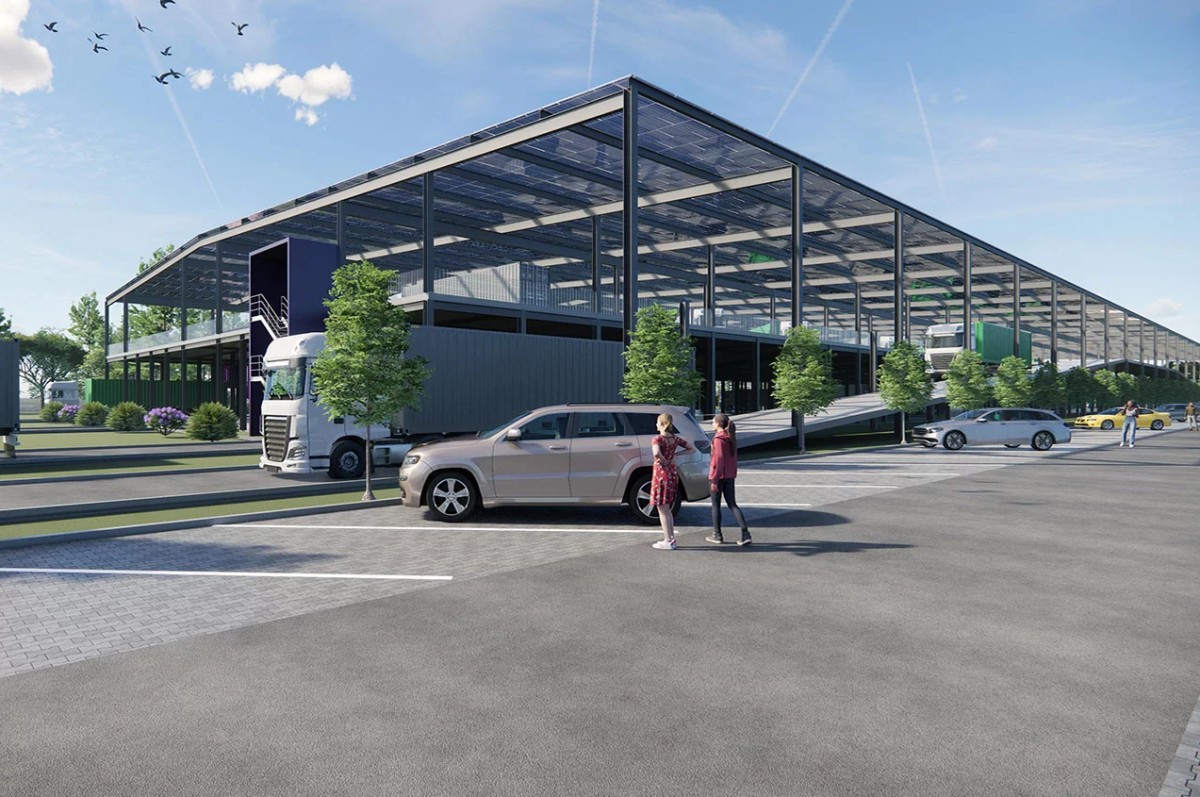
Green walls or solar panels for sustainability
This makes steel parking garages not only functional but also visually appealing additions to cityscapes.
9. Sustainability and Energy Efficiency
Steel’s environmental benefits make it a green building material of choice.
Sustainability features include:
Recyclable steel materials
Solar panel roofs to power lighting systems
Natural ventilation reducing HVAC energy
LED lighting and motion sensors
Rainwater collection systems
These eco-friendly measures help meet LEED and BREEAM standards and lower operational costs.
10. Cost Comparison: Steel vs. Concrete Parking Garages
Steel structures clearly deliver a higher return on investment (ROI), especially for projects where time and flexibility are crucial.
11. Safety and Fire Protection
Modern steel parking systems comply with international fire and safety codes.
Features include:
Fire-resistant coatings and panels
Ventilated façades for smoke dispersion
Automatic sprinklers and detection systems
Anti-slip surfaces and LED guidance lights
Combined with strong seismic resistance, steel structures ensure maximum safety for both vehicles and users.
12. Common Applications
Steel parking structures are used across multiple sectors:
Commercial centers and malls
Airports and railway stations
Hospitals and universities
Residential complexes
Office buildings and business parks
Event venues and stadiums
Their scalability and modularity make them adaptable for both permanent and temporary parking needs.
13. Case Study: Multi-Storey Parking Garage
Project Overview:
Location: City Business District
Size: 15,000 m², 6 levels
Capacity: 620 vehicles
Structure: Galvanized steel frame with composite decking
Façade: Aluminum louver panels
Construction Period: 5 months
Outcome: 40% cost savings and 50% faster completion
The project demonstrated how steel parking systems can efficiently utilize limited land while maintaining architectural quality and long-term performance.
14. Future Trends: Smart and Automated Parking
The next generation of parking garages integrates smart technologies and automated systems, such as:
Robotic parking lifts and conveyors
License plate recognition systems
Real-time occupancy sensors
Mobile payment and navigation apps
Steel’s modular design makes it ideal for integrating these systems — turning parking garages into intelligent, data-driven urban infrastructure.
15. Conclusion
Steel structure parking garages are transforming urban mobility.
They combine engineering strength, modular design, and aesthetic versatility to create efficient, sustainable, and space-saving solutions.
Whether for commercial, public, or residential use, steel is the future of parking infrastructure — offering faster construction, greater flexibility, and lower life-cycle costs.
In an increasingly urbanized world, smart cities will rely on steel to build smarter, greener, and more efficient parking systems.

By clicking 'Allow All', you agree to the storage of cookies on your device to enhance site navigation, analyze site usage and assist with our marketing efforts.