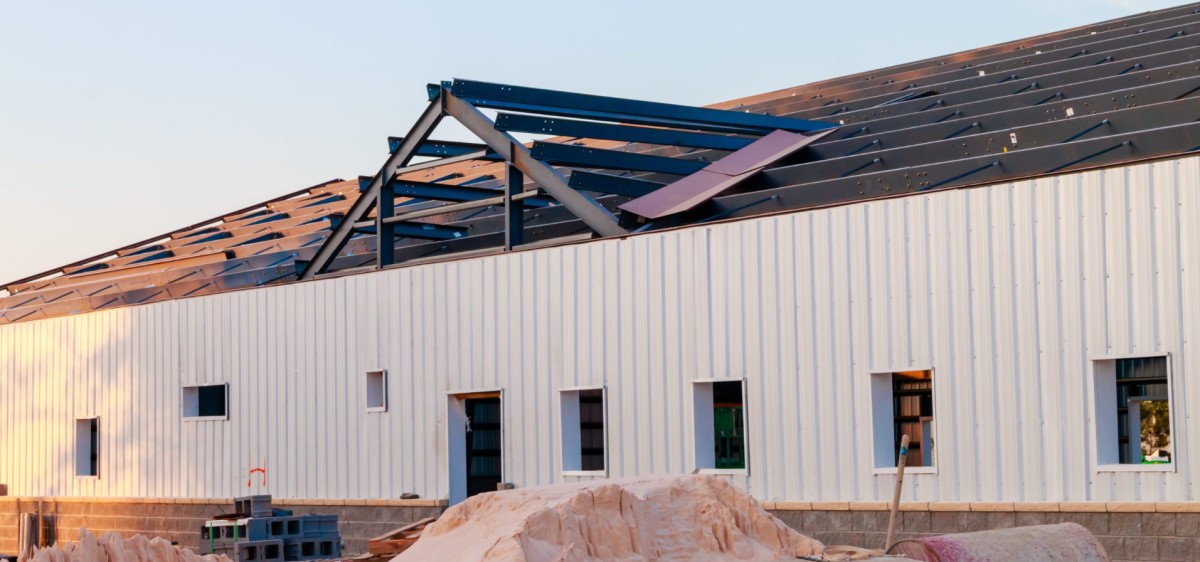
Regardless of which AntSteel building system you use, the core assembly principles remain consistent.
This guide will walk you through the key steps of assembling steel structures, from frame construction to panel laying and final inspection—helping you confidently bring your project to life.
Assembly Preparation Checklist
Before commencing construction of a steel structure, ensure your site and construction personnel are ready:
The foundation is fully cured, level, and aligned with the anchor bolt holes.
All components have been delivered, arrived on site, and inventoried.
You possess forklifts, cranes, or telescopic boom lifts suitable for the building's dimensions.
Your construction personnel have reviewed the building drawings and safety regulations.
Weather and lighting conditions are suitable for outdoor work.
Step-by-step Assembly Process
Step 1: Assemble and Hoist the Frame
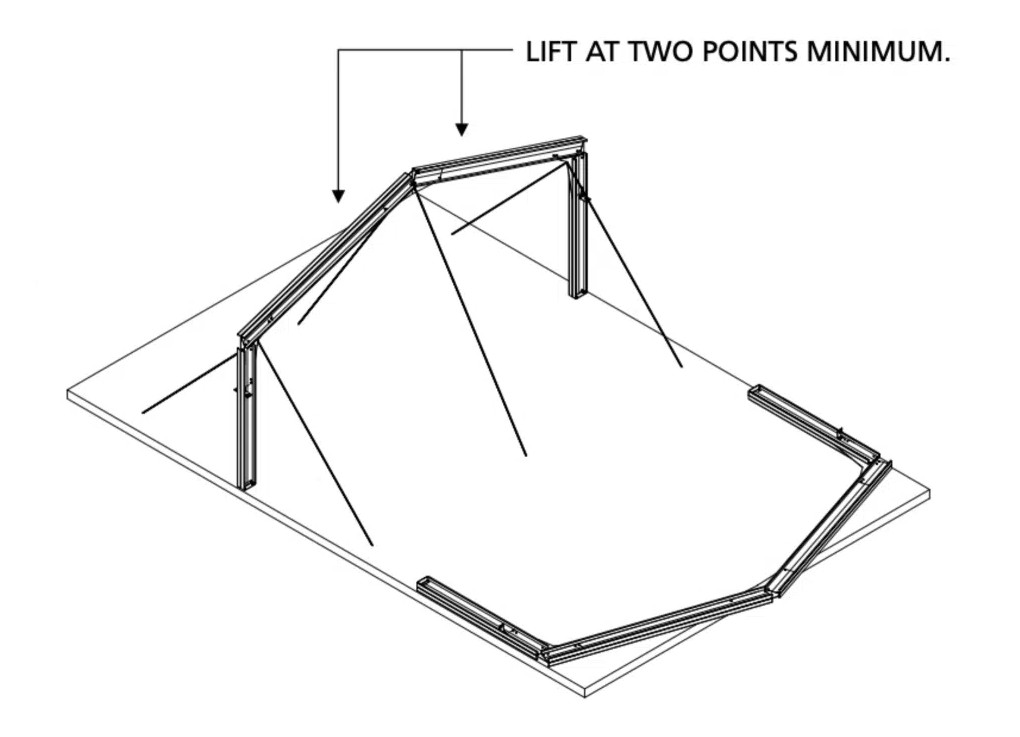
Assemble the first set of columns and rafters on the foundation slab according to the drawings.
Do not fully tighten the bolts yet – tighten the joints with your fingers first.
Measure the width of the frame at the bottom and top to ensure it meets the requirements.
Use diagonal measurements to correct the frame and install the purlin/beam connectors.
If space permits, up to three frames can be laid flat before hoisting the first frame – starting with the supported span.
Important Note: Temporary and permanent supports are crucial to prevent the frame from twisting or being damaged during installation. Purlins and side wall supports must be installed before hoisting the
rafters.
Step 2: Erect Subsequent Frames and Auxiliary Steel Structures
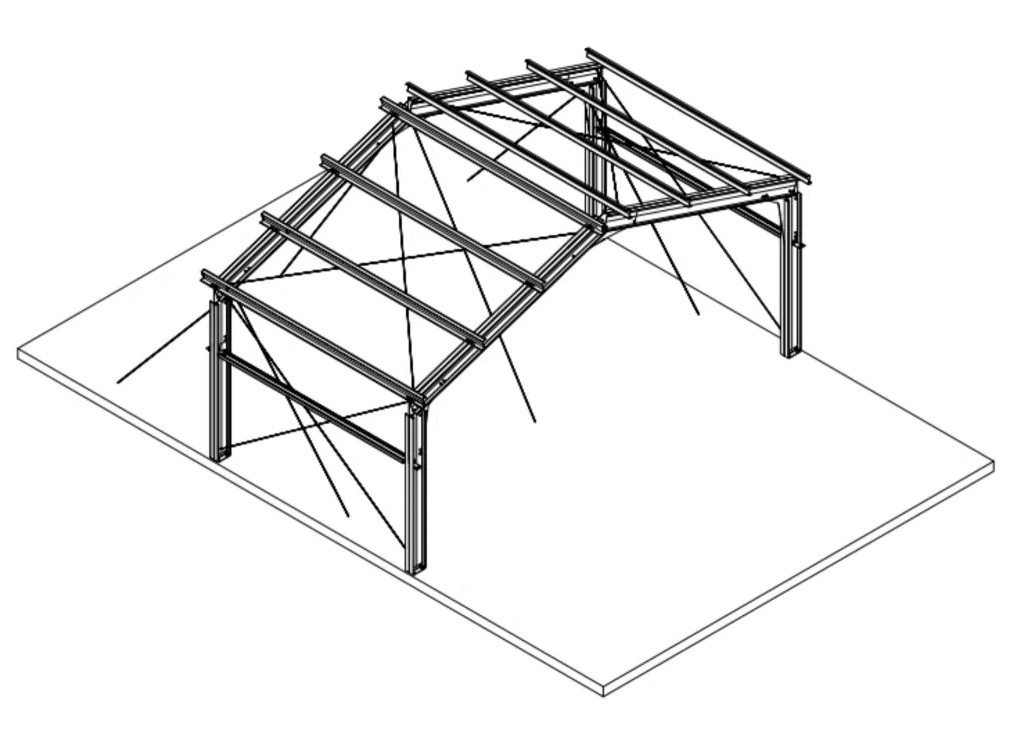
Install adjacent support frames.
Gradually add wall purlins (wall supports), roof supports, and cross braces.
As structural stability increases, gradually tighten the connectors.
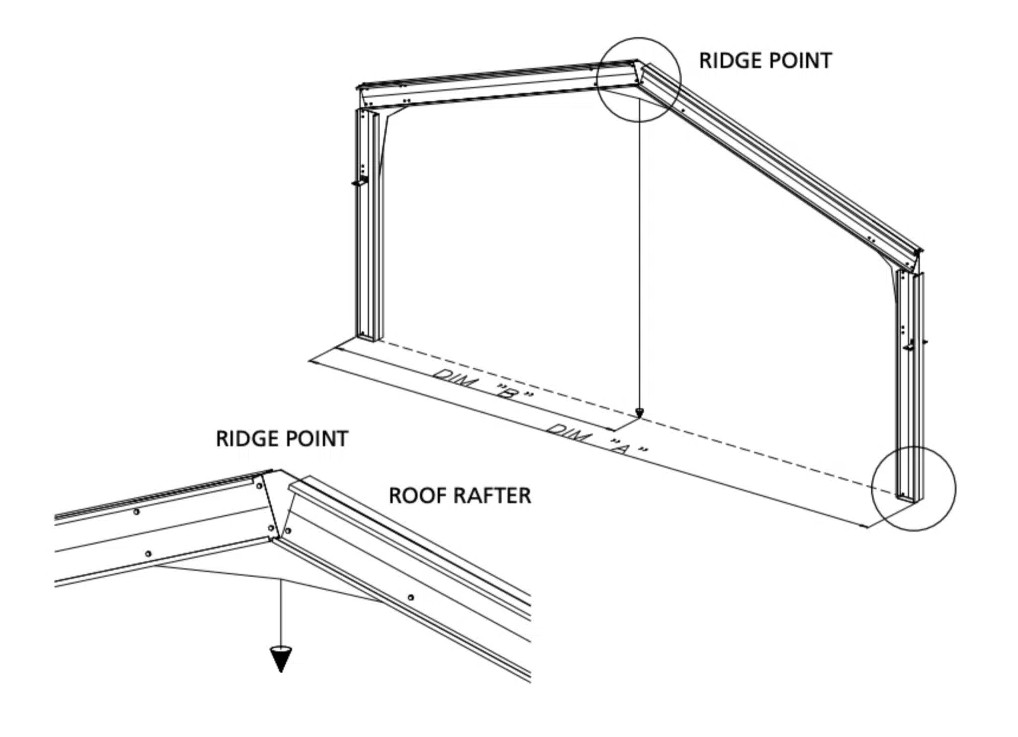
Step 3: Verticality and Alignment of the Building
Precise alignment is crucial when constructing steel structures. Here are the verification methods:
Use a plumb line and string line to ensure the frame is vertical and straight.
Adjust cross braces by evenly tightening or loosening tie rods.
Check the roof alignment from eaves to ridge.
Use consistent measurement methods to ensure the ridge is centered and perpendicular to the foundation.
Taking the time to do these things well ensures smooth panel installation and avoids costly misalignment later.
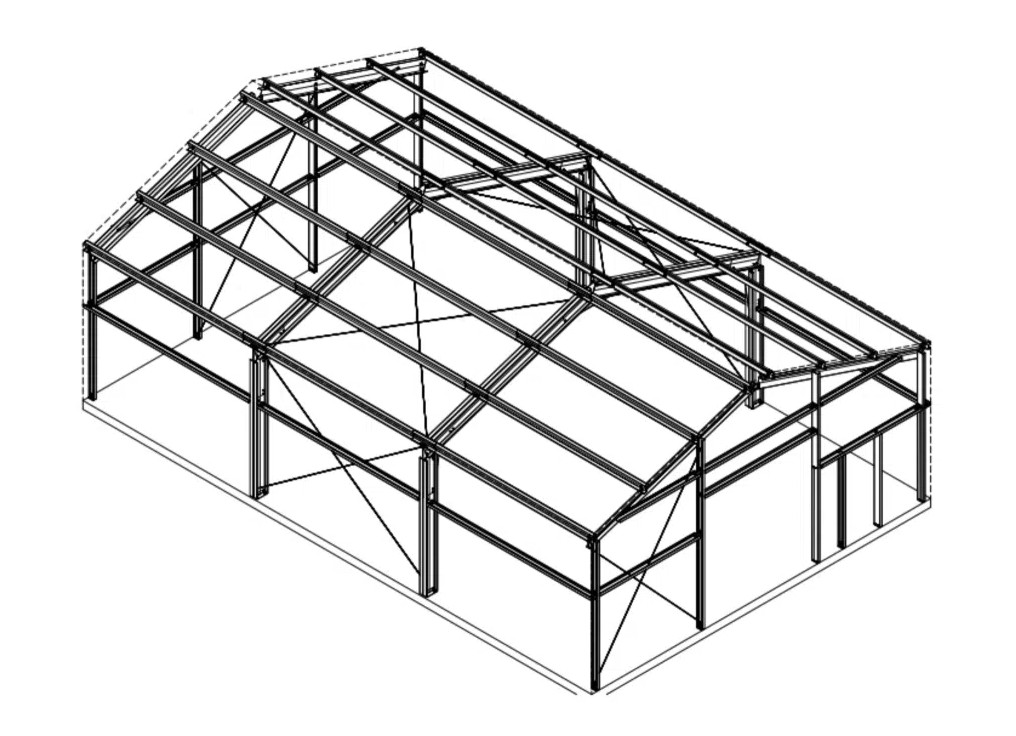
Step 4: Erecting End Walls and Eaves
After the main frame is erected and reinforced, install the end wall frames.
Install eaves and stabilizers.
Confirm the base angle and end cap position according to the installation drawings.
Panel and Finish Installation
The panel installation stage determines the structural stiffness and final appearance of a steel structure building. Proper installation helps protect the building from weather conditions, ensures optimal insulation performance, and gives the building a clean, professional finish.
Install Wall Panels First
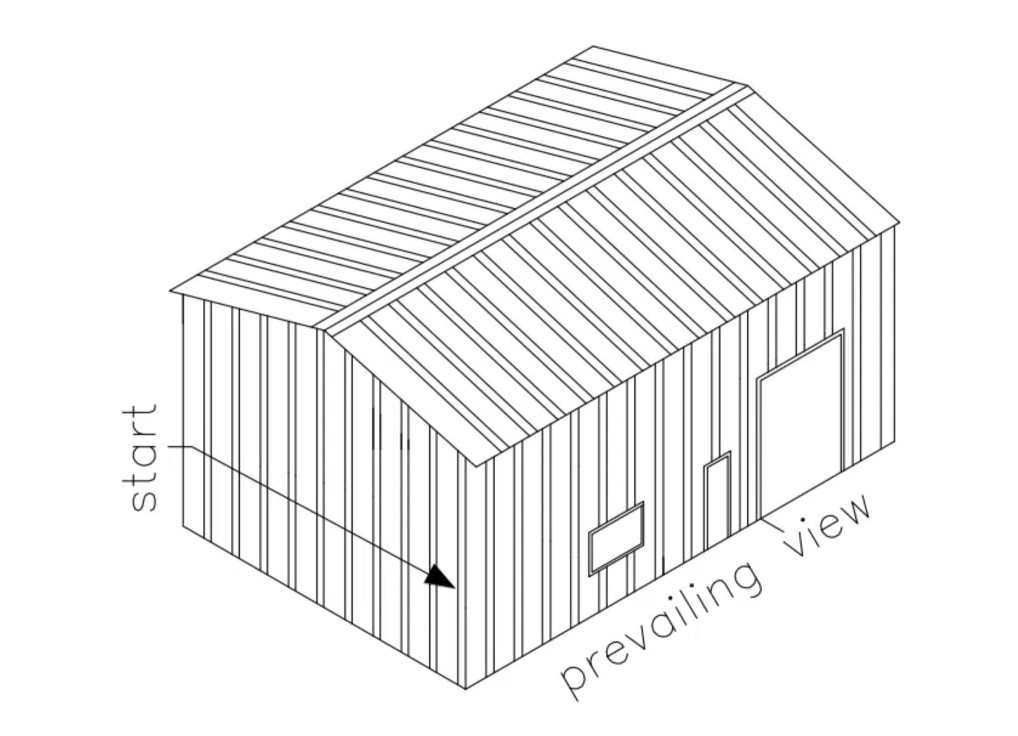
Begin installing panels from the least conspicuous side, then gradually move towards the main line of sight. This minimizes shadows at the overlaps and improves the final appearance.
Pre-drill holes to ensure screw lines are straight.
If applicable, install the insulation and panels simultaneously, with the moisture barrier facing inwards.
Starting from the bottom, secure each panel to the purlins, extending upwards to the eaves.
Wipe away drill bits as you install to prevent rusting.
Roof Laying
Roof laying can only begin after the lateral bracing and purlin stabilizers are installed.
Align the roof panel ribs with the ridge; ensure the eaves extend 2 inches beyond the eaves trim to prevent icicle buildup.
Follow the wind direction indicator to ensure the overlap direction is away from the prevailing wind.
Use sealing materials, sealant, and tape as specified in the drawings.
Always use walkways—never step on main ribs or unsupported panels.
Installation Accessories
Strictly follow the installation drawings to position and install all accessories, including:
Frame openings
Pedestrian access doors and roller shutters
Ventilation vents, skylights, and other integrated components
Many accessories are installed simultaneously with wall or roof panels—correct alignment is crucial.
Carefully install each component to ensure its sealing and aesthetics.
Use the correct sealant, fasteners, and installation methods shown in the drawings.
Trim strips, flashing, and seals must be precisely sealed to prevent leaks and ensure long-term performance.
Common Mistakes to Avoid During Assembly
Ignoring Manuals or Drawings: Always carefully read the provided manuals and installation drawings before starting assembly. Ignoring them can lead to misaligned components or incorrect installation sequence.
Failing to Verify Anchor Bolt Positions: Incorrect anchor bolt placement is one of the most costly mistakes to make and the most expensive to correct. Always carefully check dimensions before erecting the frame.
Ignoring Temporary Supports: Supports are crucial for safety and alignment during frame erection. Never rely on local stability.
Prematurely Over-Tightening Bolts: Fully tightening bolts before performing vertical and square alignment can lead to misalignment. Always follow the correct sequence.
Walking on Unsupported Roof Panels: Standing on panel ribs or unsecured panels can damage lap joints or cause leaks. Use walking boards to distribute weight.
Ignoring Drill Shavings: Metal shavings left on panels will quickly rust and contaminate the surface. Wipe panels and clean base trim regularly.
Improper use or excessive spacing of fasteners: Using the wrong fasteners, or placing them too close or too far apart, will affect the integrity of the structure and its waterproof performance.
Recommended Tools and Safety Equipment
To ensure safe and efficient assembly, we recommend the following tools and safety equipment:
Personal Protective Equipment (PPE): Gloves, helmet, safety boots, safety glasses, safety harness
Lifting Equipment: Forklift, crane, lifting beam, slings
Power Tools: Torque control screwdriver (75–125 ft-lb), impact drill, punch
Layout Tools: Measuring tape, chalk line, level, ruler
Others: Hammer, caulking gun, fire extinguisher, first aid kit, generator
Do not use impact tools on sheet metal, as they may damage the sheet metal surface or affect the performance of fasteners.
Final Inspection and Cleanup
Before finishing work, conduct a comprehensive inspection:
Confirm that all fasteners at panel and frame connections are secure.
Check that doors and fittings are functioning properly.
Check panels for misalignment or scratches.
Remove metal shavings and dust from panels and waterproofing layers.
Remove all debris and packaging materials from the site. The final steps in steel structure construction should ensure the project is clean, professionally designed, and ready for use for many years.
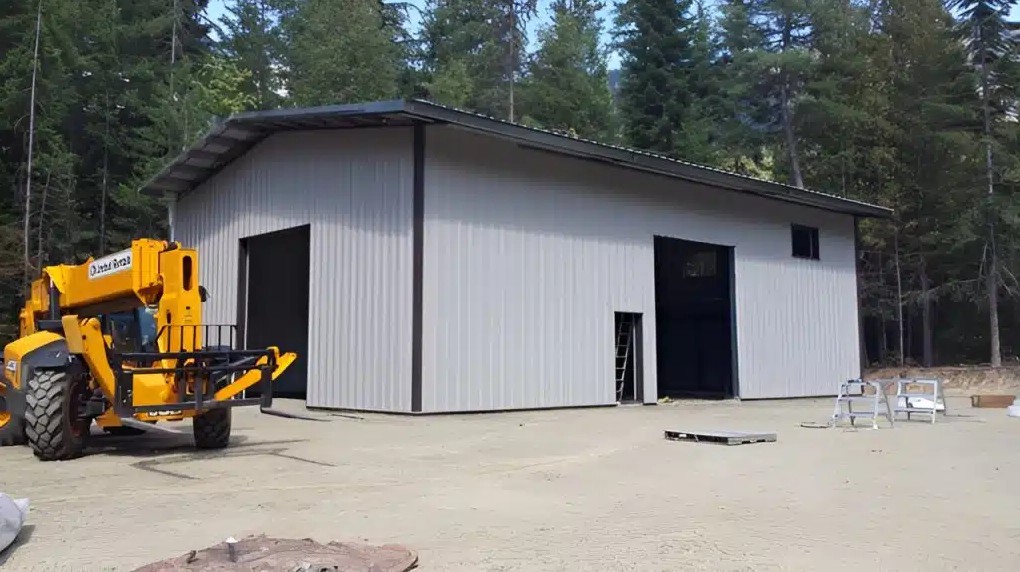
AntSteel provides comprehensive support
Whether you're assembling a simple prefabricated kit or a large, rigid frame structure, AntSteel is fully committed to supporting your project. Our building products come with clear drawings, labeled
components, and responsive customer service, guiding you through every step from delivery to final bolting.
If you encounter any problems during assembly or would like to consult an advisor, please feel free to contact us. We're happy to assist you throughout the process.
Building steel structures is a rewarding endeavor, and reliable systems and professional support are your solid foundation. With careful assembly, the use of appropriate tools, and following step-by-step
procedures, your structure will be strong, durable, and timeless.
Ready to start your steel structure building project? Contact AntSteel today for a free quote or expert guidance.

By clicking 'Allow All', you agree to the storage of cookies on your device to enhance site navigation, analyze site usage and assist with our marketing efforts.