
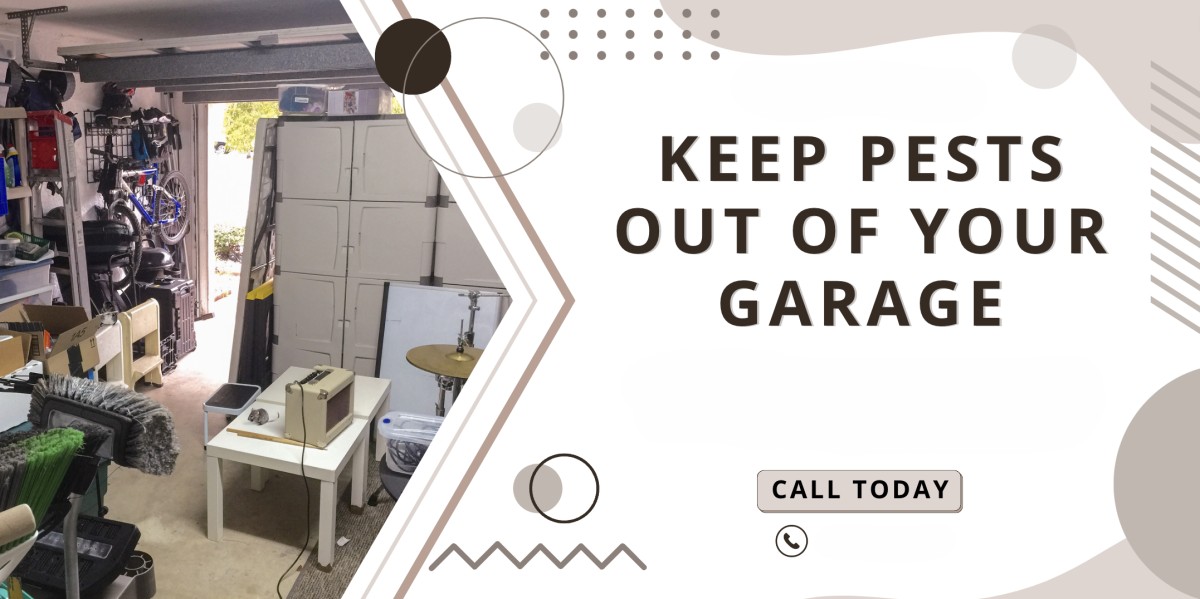
Garages are meant to protect cars and equipment, not hide nests for scurrying, biting, and gnawing insects. Unfortunately, many homeowners find their garages overgrown with cobwebs, unexplained droppings, and even infestations of pests when they need space most. Ants, carpenters, crickets, spiders, silverfish, woodlice, and the occasional rat all have a soft spot for garages because of their food, dampness, and easy access. If left unchecked, a single spider web or rat dropping can quickly escalate into a pest infestation, damaging property, reducing energy efficiency, and posing health risks.
What insects like garages?
Pests rarely settle in a place for no reason. Garages offer three irresistible temptations: easy access, abundant food sources, and plenty of hiding places for miscellaneous items.
Entrance
Even modern garage doors, if the weatherstripping is broken or missing, will leave small gaps on the sides and threshold. Combined with electrical wiring holes, unsealed vents, or foundation cracks, termites, crickets, and carpenter ants can easily slip in. Wooden or poorly maintained structures expand and contract with humidity changes, creating new gaps every season. In contrast, metal garages are sealed at the factory and do not warp, thus naturally possessing insect-resistant properties.
Food Sources
Pet food bowls left outside overnight, recycling bins filled with sticky soda crumbs, and birdseed in thin plastic bags—these are all "buffets" for insects and rodents. Even a few crumbs
of cookies not thrown in the trash will attract silverfish and cockroaches, all searching for carbohydrates. Remember, every crumb, every spilled crumb, could become a food source for
them.
Clutter and Hidden Corners
Stacks of cardboard boxes, old moving blankets, and out-of-season sports gear provide perfect hiding places for pests. Organic materials like paper, fabric, and wood attract insects
that need safe, dark, and damp shelters—especially in damp areas near garage floors and baseboards.
Pests are drawn to garages because they typically provide an entrance, refuge, and readily available food; understanding these factors can break the vicious cycle of pest infestation
and help you regain control of your space.
Regular Maintenance to Prevent Pests
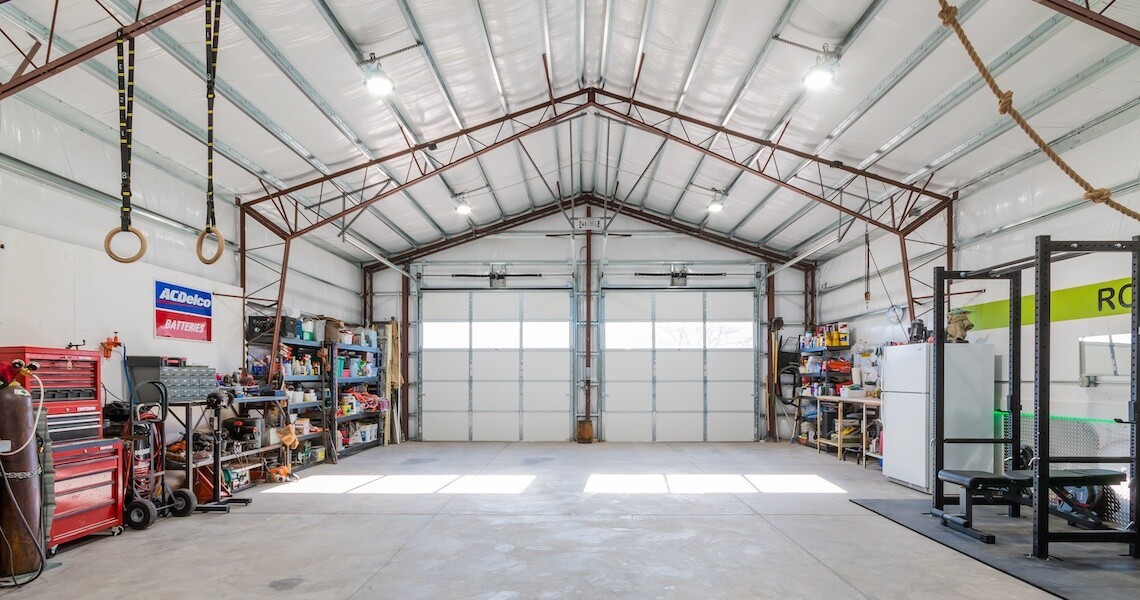
Regular maintenance is an effective way to prevent pest infestations because routine maintenance deprives them of essential resources. A clean and tidy garage eliminates food,
water, and hiding places, leaving pests with no reason to stay. By doing small things like sweeping floors, storing items in airtight containers, and fixing leaks, homeowners can create
a lasting barrier that significantly reduces the garage's attractiveness to insects and rodents.
Cleaning and Organizing
Sweep and vacuum weekly. Removing breadcrumbs, sawdust, and cobwebs eliminates food sources and nesting material.
Use airtight containers instead of cardboard boxes. Clear plastic boxes prevent silverfish from breeding and prevent wood-boring beetles from eating organic fibers.
Fix Leaks Promptly. Standing water near faucets or water heaters attracts mosquitoes and woodlice. In humid climates, a small dehumidifier can be helpful.
Clean up food and trash
Empty your trash can weekly—more frequently in summer. Choose metal or thick plastic trash cans with airtight lids.
Store pet food and birdseed in airtight containers. Silicone sealing rings and latches prevent mice from gnawing on thin packaging.
Clean up spilled liquids immediately. Quickly wipe with a mild detergent to remove sugar residue that attracts ants.
Seal the entrance
Inspect the weatherstripping. Replace any cracks or install new bottom door sealant to seal the gap under the garage door.
Fill gaps around pipes and vents with caulking compound or foam. Silicone caulking compound remains flexible year-round.
Fill foundation cracks. Epoxy grouting kits can strengthen concrete and prevent further expansion.
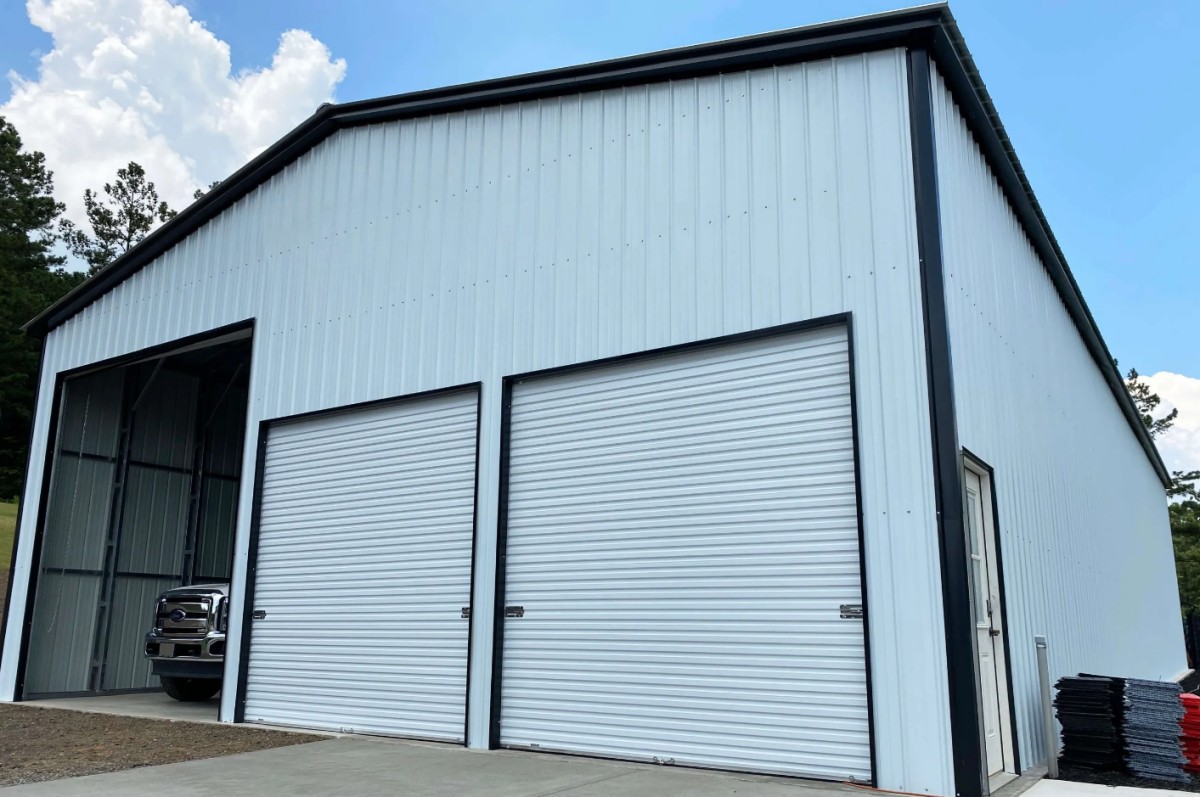
Ant Steel Structure's metal garages feature tightly welded joints and robust trim, so you get a secure entrance from the start and less seasonal maintenance. Since steel doesn't
expand or contract like wood, you'll need fewer repairs later.
Once you've cleared debris and sealed the entrance, you can enhance pest control with clever environmental management measures, reducing the entire house's attractiveness to
pests.
Environmental Control Strategies
Even the cleanest space can attract pests if the surrounding environment is as "empty" as a neon light. These strategies can extend protection to the perimeter of the garage.
Reduce Outdoor Pest Attractions
Prune plants. Keep lawns and shrubs at least one foot away from exterior walls to eliminate ant trails and spider hiding places.
Eliminate standing water. Clear drains, fill in low-lying areas, and store buckets of water upside down.
Adequate lighting. Replace bright white bulbs near doorways with warm-toned LEDs to reduce insect attraction, or simply turn off lights when not needed.
Use natural insect repellents
Sachets. Sachets filled with dried basil, peppermint, or lavender can repel moths and spiders. Replace every three months.
Citrus and cedarwood. Sprinkling orange peel or cedarwood shavings in corners can repel woodlice and sowbugs.
Homemade essential oil spray. Mix 10 drops of peppermint oil, 10 drops of tea tree oil, 2 cups of water, and 1 tablespoon of witch hazel. Spray once a month around the baseboards
and at the entrance.
Properly planted vegetation. Planting marigolds, chrysanthemums, and mint near the garage foundation can enhance the appearance of your home and repel flying and crawling
insects.
Use pest barriers and devices
Door seals and bottom door seals. Strong bottom seals block crawling insects and improve energy efficiency.
Installate windows and vents with screens. Fine mesh screens prevent wasps and flies from entering the house through vents.
Insect lamps or sticky traps. Use near work surfaces to capture existing pests without the need for harsh pesticides.
Insect fumigants or perimeter sprays. Use only when infestations are severe and always follow product instructions.
Pest control companies. Know when to seek professional help. Some pests can be dangerous, such as tarantulas or aggressive rodents. If the infestation is out of control, meaning all
DIY methods are ineffective, then professional pest control knows what to do.
If the environment repels pests rather than attracts them, then you can take the next step towards a virtually maintenance-free solution: choose a structure that resists pests from the
roots.
Metal Garages: A Comprehensive Pest Control Solution
Long-Term Advantages of Investing in a Metal Garage
Naturally Pest-Free. Steel plates contain no cellulose, so termites, carpenters, and other wood-boring pests cannot forage or nest inside.
Rodent-Proof Structure. Rats have difficulty gnawing on the 26-gauge metal plates, effectively protecting stored food and pet supplies.
Lower Maintenance Costs and Longer Lifespan. No rotting pillars or broken wall panels mean fewer pathways for pest infestation over decades.
Environmentally Friendly. Steel is recyclable and often contains recycled materials—eliminating the need for pesticides.
Built-in Weather Protection. A galvanized coating prevents rust, while factory pre-painting reduces moisture retention, minimizing damp areas and reducing the risk of pest infestation.
Comprehensive Pest Control. Combining the steel structure with the previously mentioned DIY tips, you'll gain unparalleled peace of mind for storing your vehicles, tools, and seasonal
decorations.
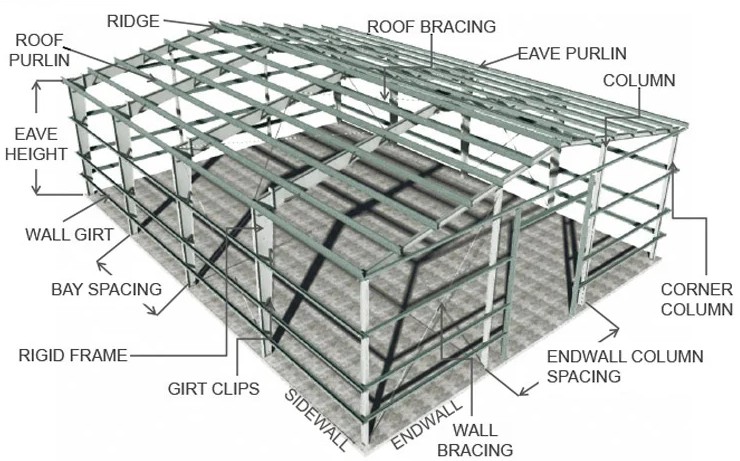
Ant Steel Structure can custom-design every metal garage to your specific dimensions, featuring a pre-punched bolt-fit frame, heavy-duty trim strips, and factory-sealed roof panels.
Assembly is incredibly simple, as all components are pre-cut and labeled—even homeowners who enjoy DIY garage upgrades but don't want to hire multiple contractors can easily
complete the task.
By combining proactive maintenance with a steel structure designed from the outset to keep pests at bay, you can create a fortress to keep pests out.
Take action now to keep your garage pest-free!
Creating a truly pest-free garage isn't an overnight process; it requires a series of meticulous habits and wise construction decisions. Removing cobwebs, storing birdseed in airtight
containers, and sealing crevices with fresh caulking compound effectively eliminates pests' habitats and food sources. Trim shrubs, repair leaky hoses to prevent waterlogging, and use
natural insect repellents for long-term pest control. In the event of an infestation, consult a certified pest control professional immediately for targeted pesticide treatment ofumigation.
For the most comprehensive protection, consider investing in a steel-framed garage, making it impossible for pests to utilize the material they thrive on. Ant Steel Structure offers fully
customizable rodent- and termite-proof metal garages, all pre-assembled—no wood warping, no hidden gaps, and no costly rework.
Take the first step towards a cleaner, safer, pest-free garage today! Explore various design options, get a free quote, or chat online with experts at Ant Steel Structure. Your vehicles,
tools, and weekend projects need a robust and durable space that can withstand pests, moisture, and the ravages of time—build it once and enjoy it for decades.

By clicking 'Allow All', you agree to the storage of cookies on your device to enhance site navigation, analyze site usage and assist with our marketing efforts.