
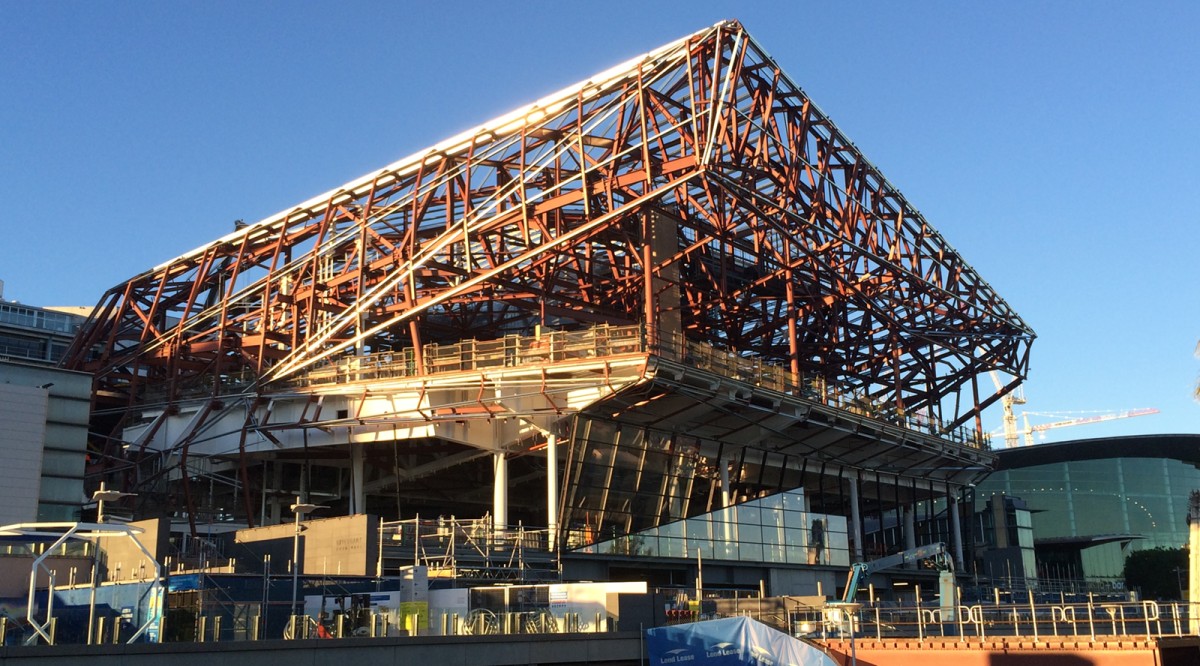
Steel fabrication is the cornerstone of modern architecture, empowering designers to realize their grandest visions. From towering skyscrapers to intricate details of magnificent facades, custom steel fabrication unlocks the boundless potential of complex and innovative designs. The following explores how steel fabrication is transforming the architectural landscape.
Unrestricted Design Flexibility
Steel's unparalleled versatility allows architects to break free from traditional constraints. Its malleability enables the creation of delicate curves, grand spans, and bold geometric shapes. Whether it's a
flowing facade or a structurally bold bridge, steel construction offers the flexibility to bring architectural dreams to life.
Precision Engineering for Complex Structures
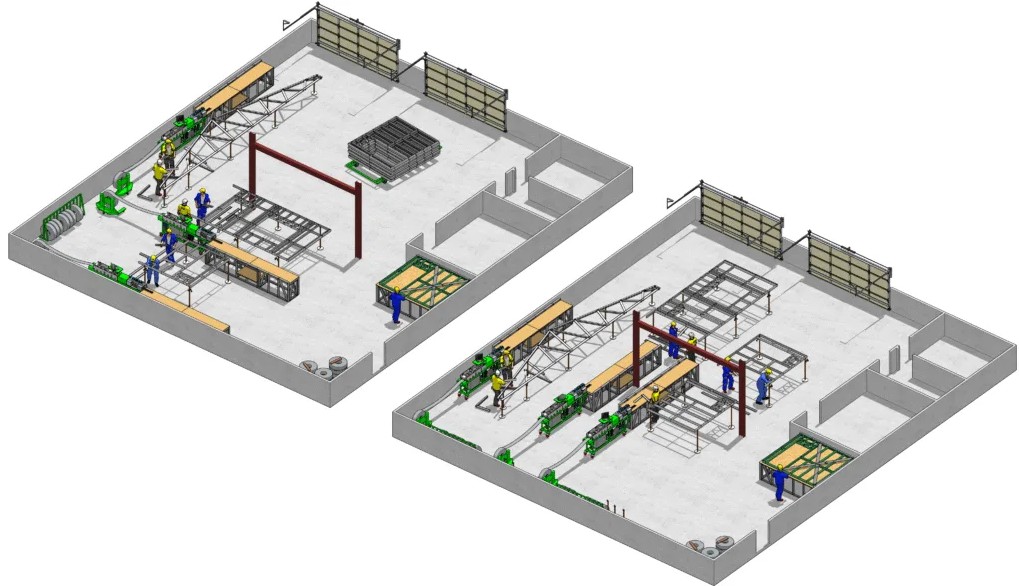
Complex architectural designs demand extremely high precision in manufacturing and assembly. Advanced steel construction technologies, such as CNC machining and laser cutting, ensure
millimeter-level precision even for the most complex components. This precision is crucial for geometrically complex structures, as even minute deviations can affect the integrity of the overall design.
Lightweight Yet Strong
Steel's exceptional strength-to-weight ratio is a transformative factor in modern architecture. It can withstand enormous loads while remaining lightweight, creating open, airy spaces and slender, elegant
structures. This is particularly important for modern designs that prioritize natural light and expansive views.
Storm-Resistant: Durable Exterior Wall Solutions
Steel's durability and corrosion resistance make it ideal for exterior building components exposed to a wide range of natural elements. With proper surface treatments and protective coatings, steel can
withstand harsh weather conditions, ensuring the durability and aesthetics of buildings. Whether it's a striking facade or a robust roof, steel offers a reliable and enduring solution.
Iconic Buildings Forged from Steel
From the Eiffel Tower to the Sydney Harbour Bridge, some of the world's most iconic structures demonstrate the immense power of steel construction. This versatile material allows architects to push the
boundaries of design, creating breathtaking landmarks that inspire awe and wonder. Today, steel continues to shape the architectural landscape, driving innovation and redefining design possibilities.
Conclusion
Steel fabrication is a catalyst for architectural innovation, enabling designers to realize their most ambitious visions. Its versatility, strength, and durability make it the material of choice for complex and
iconic buildings. As technology advances and manufacturing techniques evolve, steel will continue to play a vital role in shaping the future of architecture.

By clicking 'Allow All', you agree to the storage of cookies on your device to enhance site navigation, analyze site usage and assist with our marketing efforts.